Interview with Han Xibin
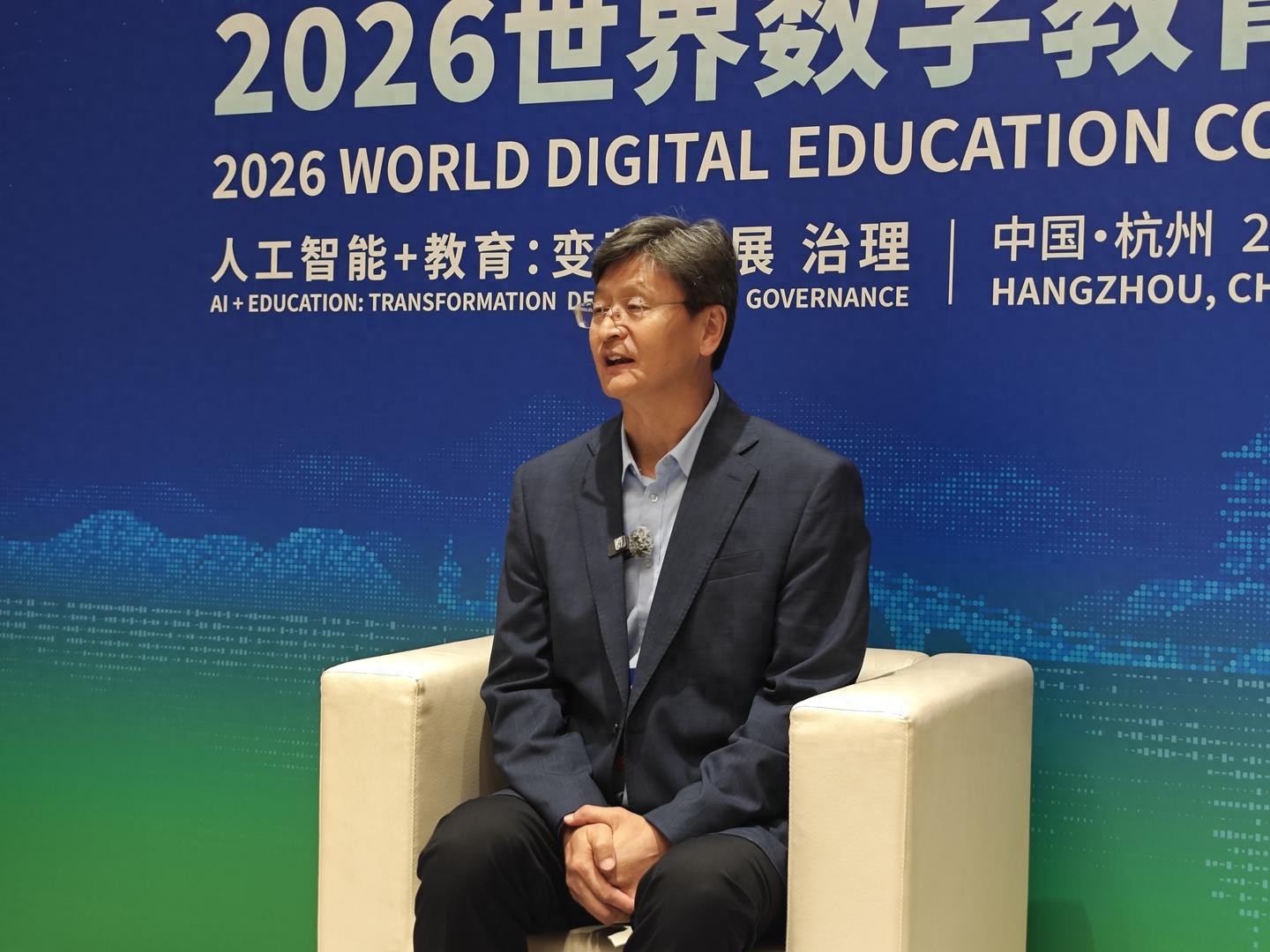
On May 15, 2026, during the World Digital Education Conference in Hangzhou, Han Xibin, Director of the Artificial Intelligence Education Research Institute at Tsinghua University, shared insights on the profound effects of AI on the education system, job market, and talent cultivation models.
Han believes that traditional job roles are being deconstructed by AI, leading to a work model centered around business flows.
AI Literacy Education
Cultivating Students’ Ability to Use AI Like a Pen and Paper
Regarding how various educational stages should implement AI literacy education, Han noted that countries are cautious about applying AI in early education. While China is actively promoting it, there is an emphasis on a more prudent approach. In early grades, AI learning requires guidance from teachers and parents to spark curiosity. Knowledge-based learning begins in middle school, and by high school, students should develop human-machine collaboration skills along with critical thinking and creativity. A significant focus is on integrating science education with AI literacy. The previous wave of educational technology enhanced students’ learning and communication abilities, but the current AI wave is reshaping the underlying logic. The goal is to empower students to use AI as naturally as they would use a pen or paper.
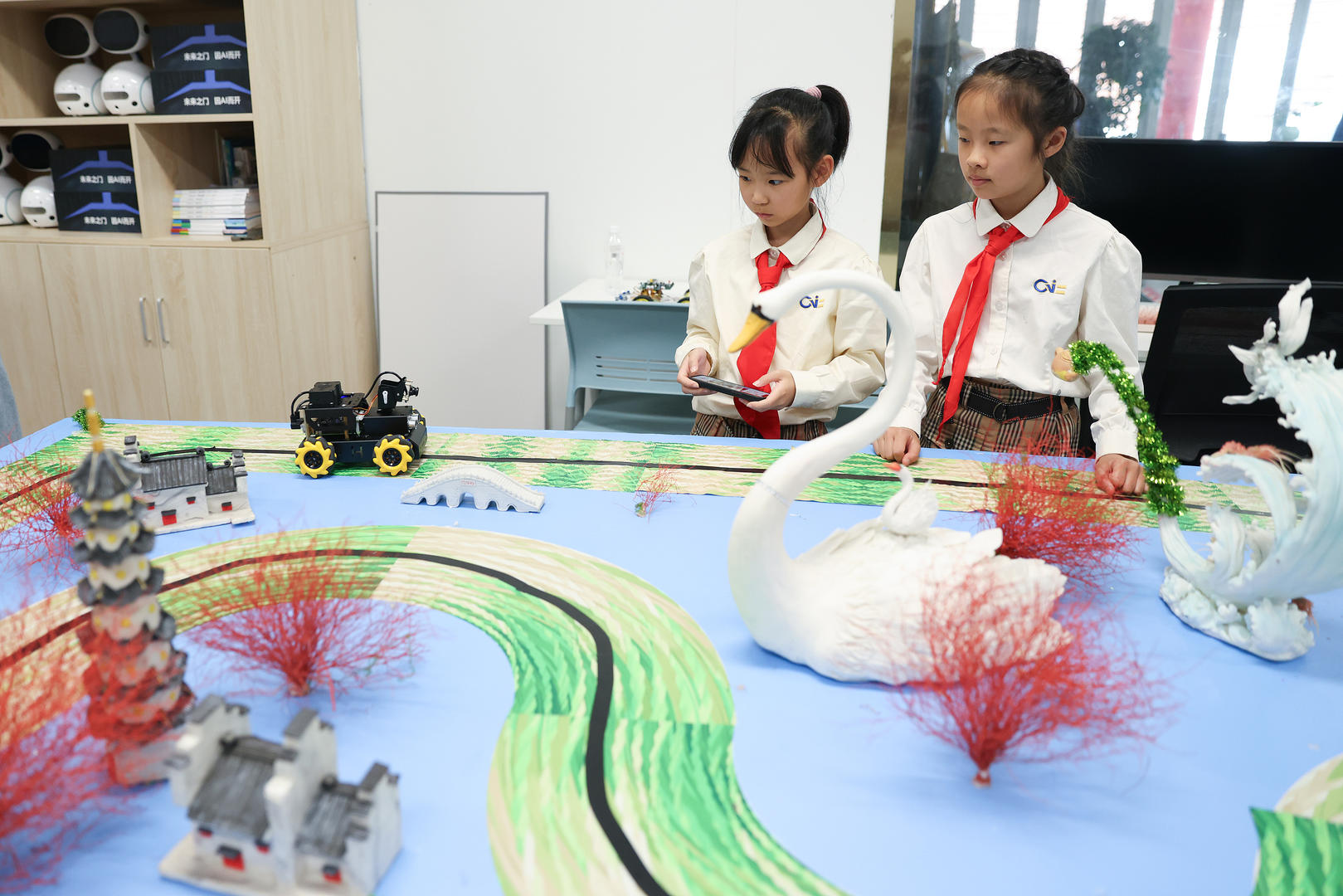
On the impact of AI on the education system, Han stated that education has two attributes: the human aspect, which inspires children’s minds for healthy growth, and the social aspect, which prepares them to meet societal needs. The human aspect is more pronounced in early education, while the social aspect becomes more significant in university, where the focus shifts to employment. From this perspective, as education leans more towards the humanities, AI is less adept, whereas it excels in teaching knowledge.
“Education resembles agriculture more than industry; it requires creating an environment, such as temperature, light, and water supply,” Han explained. “If universities focus primarily on knowledge transmission, AI excels at that. However, universities have a higher responsibility than merely imparting knowledge; they must cultivate top talent, which requires providing personalized environmental support.”
Han mentioned that Tsinghua University has been exploring the integration of AI into courses for two years across four semesters, establishing teaching reform projects each year. Over 200 courses have undergone AI integration reforms, and last year, Tsinghua released an AI application guide, reflecting a proactive attitude and ongoing development of standards.
AI Deconstructs Traditional Jobs
Human-Machine Collaboration Becomes a Key Skill
Han further emphasized that AI has become an undeniable force reshaping education and employment. Its impact is first seen in the economy and industry, deeply altering the job market. Currently, there is optimization among large internet companies and a rapid rise of solo entrepreneurs, both stemming from AI’s redefinition of work forms and job requirements.
Traditionally, companies operated under a standardized job system defined by “people assigned to responsibilities,” which facilitated management and assessment. Now, AI is breaking this rigid responsibility structure, refining the concept of “jobs” down to the task level. Previously, a job was often divided into multiple segments completed by different personnel. In the future, an entire project chain may be managed by one person utilizing AI, indicating that traditional job roles are being deconstructed in favor of a business flow-centric work model. In this model, standardized and repetitive tasks can be efficiently handled by AI, effectively allowing one person to perform the work of a small team.
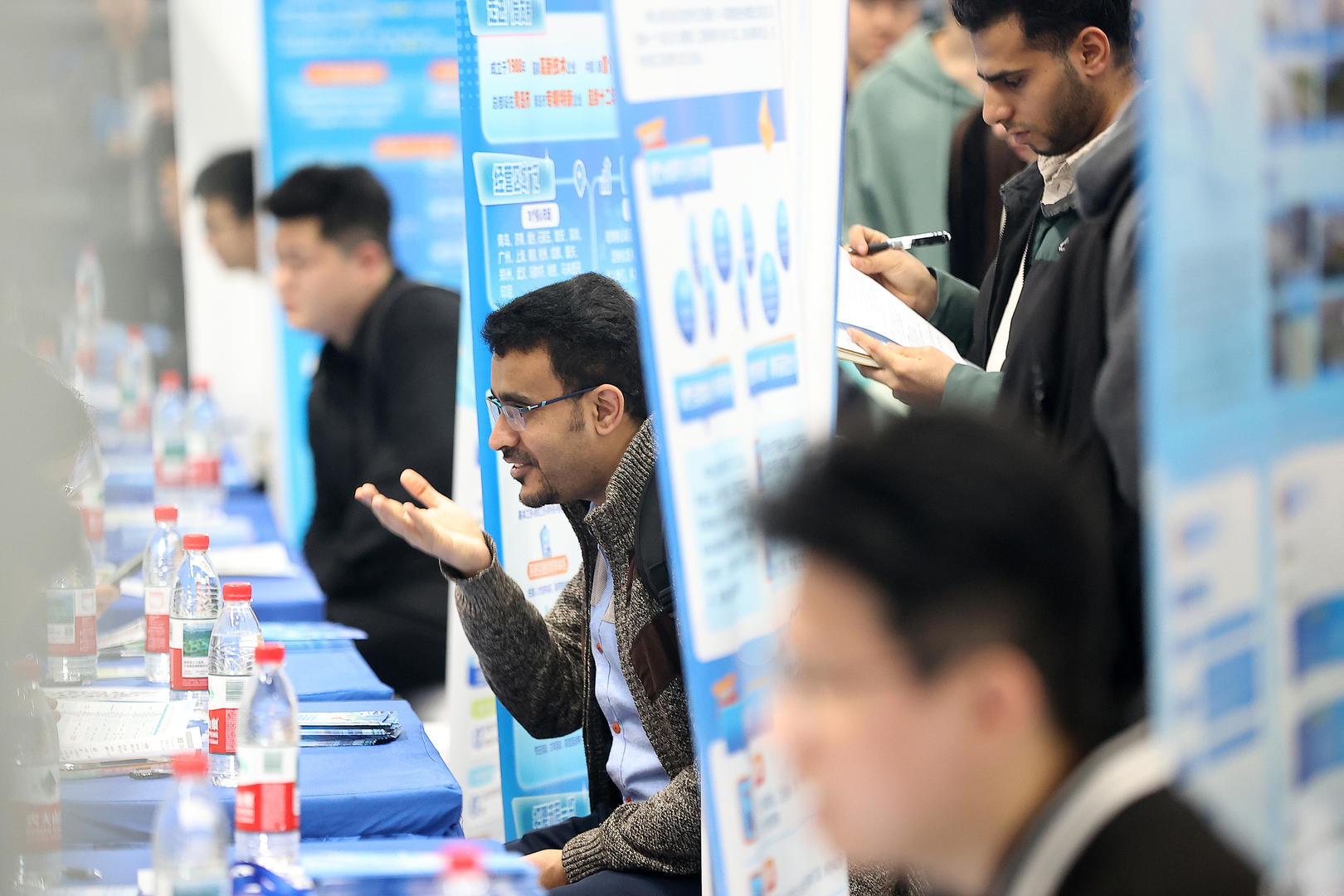
Han stressed that this change demands new skills from workers: they must not only master professional skills but also possess the ability to collaborate with AI.
He noted that AI has already impacted the employment of vocational school graduates. Research indicates a declining demand for job seekers aged 20 to 25, as this group often consists of newcomers whose roles are more easily replaced by AI.
However, he observed that as traditional job roles diminish, new job demands are emerging. These new roles often require a combination of skills, including professional expertise, management knowledge, and proficiency in AI tools.
Han pointed out that non-standardized jobs are harder to replace than standardized ones. After training AI to take over standardized roles, companies may hesitate to replace non-standardized work due to high costs and limited application scenarios. For example, while standardized welding can be performed by machines, non-standardized welding in maintenance requires situational judgment and emergency response capabilities, which technology cannot yet replicate.
“Past research has shown that AI may replace some white-collar jobs, but higher-level white-collar workers, due to their stronger adaptability and transferability, are less affected,” Han concluded. He emphasized the need for education to keep pace with this complex and rapid transformation, advocating for a systematic consideration of education within the broader context of industrial development and economic structural changes.
Comments
Discussion is powered by Giscus (GitHub Discussions). Add
repo,repoID,category, andcategoryIDunder[params.comments.giscus]inhugo.tomlusing the values from the Giscus setup tool.